
What Are Forest Lands?
When we talk about forest lands, the first thing to understand is that they are not simply any plot of land with trees. Forest lands are areas of land designated for the conservation or management of natural resources-particularly forests-that play crucial roles in maintaining ecological balance.
These lands are regulated by laws that, depending on the country or region, precisely define which areas can be considered “forest” and what uses are permitted.
Unlike agricultural land, which is cultivated for the production of food or specific resources, forest land is intended to preserve biodiversity, regulate the water cycle, and provide a range of fundamental ecological services, such as carbon capture or soil protection.
In other words, while agricultural land is geared toward intensive production, forest lands seek harmony with nature. They are not just “lands with trees,” but spaces where ecological interactions are essential for environmental well-being.
It is also important to distinguish forest lands from other types of soils, such as urban areas. In an urban setting, the focus is on developing human infrastructure, while in a forested area, the main objective is to conserve the ecosystem and ensure that natural resources can continue to function sustainably.
So, when we talk about forest lands, we refer to much more than a landscape with trees; we are talking about areas vital to the functioning of the entire ecosystem, and their responsible management has a direct impact on our environmental future.
What Lies Behind Forest Lands? Types and Characteristics You Should Know
When we talk about forest lands, we are actually referring to natural spaces that are much more than just forests. These lands are home to immense biodiversity and play a crucial role in the balance of our planet. Let’s look at the most common types and what makes them unique.
Classification by Vegetation
The predominant vegetation in the area is one of the key factors that define forest lands. The different types of forest lands-such as tropical, boreal, or temperate-not only differ in their vegetation but also in their ecological particularities, which affect biodiversity and the functions these forests perform in their environment.
Tropical forests, for example, are the lungs of the planet, essential for regulating the global climate, while boreal forests are found in colder latitudes and are fundamental for carbon capture. Temperate forests, like those found in Spain, have rich biodiversity and serve as habitats for a variety of species.
According to Use and Management
Regarding use and management, forest lands can be classified according to their primary function. Protected forests are intended for biodiversity conservation and erosion prevention-clear examples in Spain are national parks such as Doñana or Cabañeros.
On the other hand, production forests are managed for commercial purposes, such as pine forests in Castilla y León, which are used for timber production. Finally, mixed forests combine both uses, seeking a balance between conservation and resource utilization.
These management models are applied locally and have a significant impact on the sustainability of forest ecosystems.
Factors That Define Forest Lands
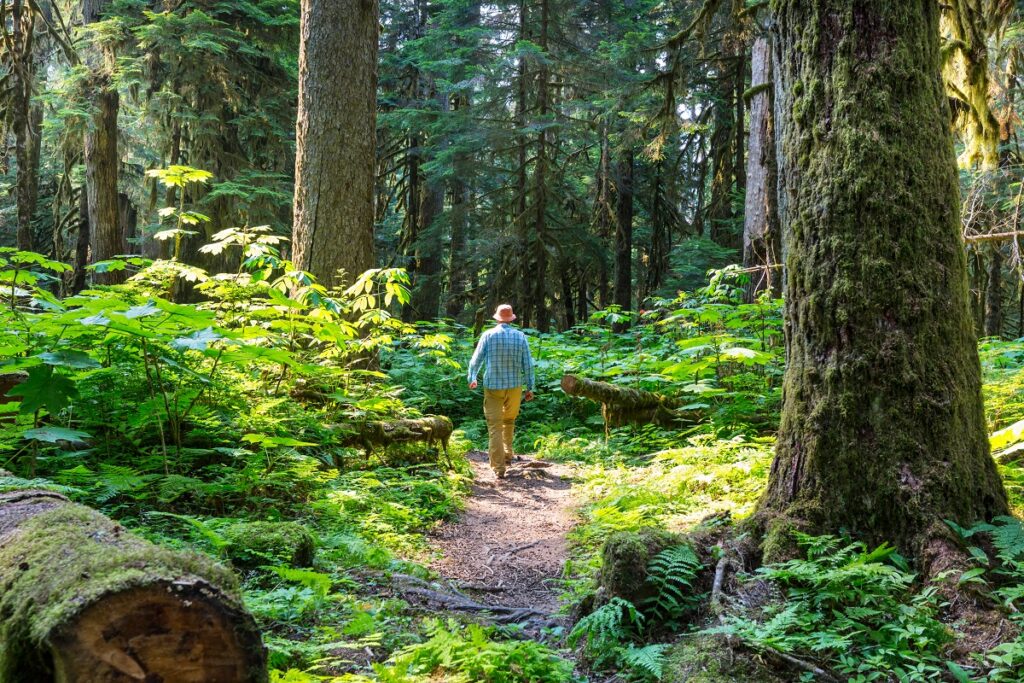
Forest lands are not only defined by their vegetation but also by a series of environmental factors that determine their development.
Climate, of course, plays a fundamental role: in areas with a Mediterranean climate, such as many regions of Spain, forests are adapted to long droughts and hot summers, while in colder regions, like northern Europe, soils are richer in nutrients, favoring the proliferation of species with different water and thermal needs.
Biodiversity, in turn, is closely linked to soil structure, which determines water retention capacity, the presence of nutrients, and the type of vegetation that can grow in that area.
Forest Lands: Why Are They the Heart of Our Planet?
When we think of forest lands, we don’t just picture trees and forests. These territories have a much deeper impact on ecological balance and our economies. Let’s discuss the relevance of forest lands from two crucial perspectives: ecological and economic.
Forests as Regulators of Climate and the Water Cycle: Beyond the Visible
Forests have an essential role that we often take for granted: they regulate the climate and the water cycle. Think of a forest as a giant lung. It not only captures carbon dioxide but also helps distribute water.
In regions like northern Spain, forests maintain soil moisture, which in turn supports river flows and the recharge of aquifers. The ability of trees to extract water from the soil and release it as vapor, creating local microclimates, also affects rainfall and the temperature of surrounding areas.
In short, forests protect us from heatwaves and droughts while maintaining a vital hydrological balance for everyone.
More Than Trees: Biodiversity and Carbon Capture in Action
Another gift of forest lands is their ability to capture carbon. Forests act as carbon sinks, trapping the CO2 we release into the atmosphere.
This process is fundamental for combating climate change. In fact, if forests did not exist or were degraded, CO2 levels in the air would rise considerably.
Moreover, the biodiversity in forests is astonishing. Each forest land hosts a unique variety of species, from microorganisms in the soil to mammals in the trees. Did you know that a single hectare of forest can harbor more than 10,000 species of insects?
This biodiversity is not only precious from an ethical point of view but also ensures ecological stability and promotes resilience to natural disasters.
Forest Lands as an Economic Engine: Forestry, Ecotourism, and More
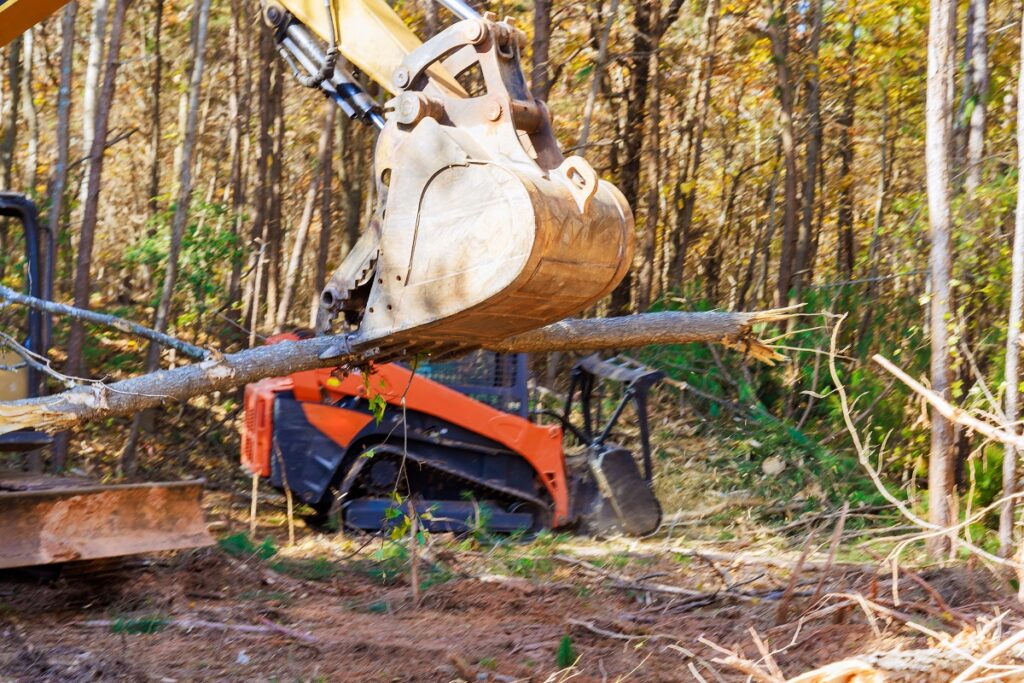
Forest lands are not only key to the environment but also to our economy. Take forestry, for example. In Spain, timber production is a key industry that not only generates employment but also facilitates the construction of sustainable products, such as furniture or paper.
But the forest economy doesn’t end there. Ecotourism has also become a growing source of income, with regions like the Pyrenees or the Picos de Europa National Park attracting thousands of tourists each year to enjoy their forest landscapes and biodiversity.
Environmental services are one of the uses of forest lands. Services such as air purification and erosion control have an economic value that many do not see, but which is present in every corner of a healthy forest.
Toward Sustainable and Transformative Management of Forest Lands
Current challenges in the management of forest lands are considerable, but they also present a unique opportunity for innovation. Deforestation, habitat fragmentation, and climate change are serious threats that require greater investment in the conservation and restoration of these ecosystems.
As forest fires and the management of invasive species continue to affect forests, we must seek more comprehensive and collaborative approaches to effectively address these challenges.
Looking to the future, technological advances will play a key role in the remote monitoring of forest lands. With tools such as sensors, drones, and satellite systems, the ability to assess ecosystem health and make informed decisions about forest management will improve. This will allow for more precise identification of the characteristics of forest lands, helping to prioritize specific conservation, restoration, and utilization actions.
The uses of forest lands will continue to diversify, with a growing emphasis on sustainable management. Ecotourism is emerging as one of the main sources of income in forest regions, while responsible resource utilization practices will also be consolidated through models such as the circular economy.
Carbon offset programs and sustainable forestry certifications will play a fundamental role in ensuring that these uses do not compromise biodiversity or ecosystem resilience.
In the long term, the key will be integrated management of forest lands, where science, technology, and traditional knowledge come together to create more effective strategies.
Adaptation to climate change, improving the carbon capture capacity of forests, and conserving biodiversity must go hand in hand. If we commit now to informed decisions and responsible practices, forest lands will remain an essential pillar for our future.