Ecosystem Services: The Connection Between Ecosystems and Our Well-being
Ecosystems are vital for our daily existence, although we are often unaware of it. In Spain, the importance of these natural systems is especially prominent due to the rich biodiversity and services they provide to our societies.
Spain’s forest ecosystems, such as holm oak and pine forests, are essential for climate regulation and soil conservation. These forests not only act as carbon sinks, contributing to climate change mitigation, but also support rich biodiversity, providing habitats for numerous species. Additionally, they play a key role in the rural economy through the sustainable exploitation of resources such as timber, resin, and non-timber products like mushrooms and wild fruits.
These facts underscore a crucial reality: ecosystems not only surround us but sustain a multitude of functions that directly impact our lives. From air and water purification to climate regulation and food provision, ecosystems offer us services that are indispensable for our health and well-being.
However, the value of these ecosystem services often goes unnoticed until we begin to experience their losses. For example, the situation of wetlands in Spain is concerning. An analysis revealed by the Ministry of Ecological Transition shows that only 12% of these wetlands are well preserved, while 15% are in a moderate state, 24% in a poor state, and an alarming 30% in a very poor state. Moreover, 19% of the sites are under evaluation, indicating a lack of sufficient information for proper management.
What are Ecosystem Services?
Ecosystem services can be defined as the direct and indirect benefits that humans obtain from natural ecosystems. These services are fundamental to our well-being, as they include everything from basic resources necessary for daily life to natural processes that maintain environmental balance.
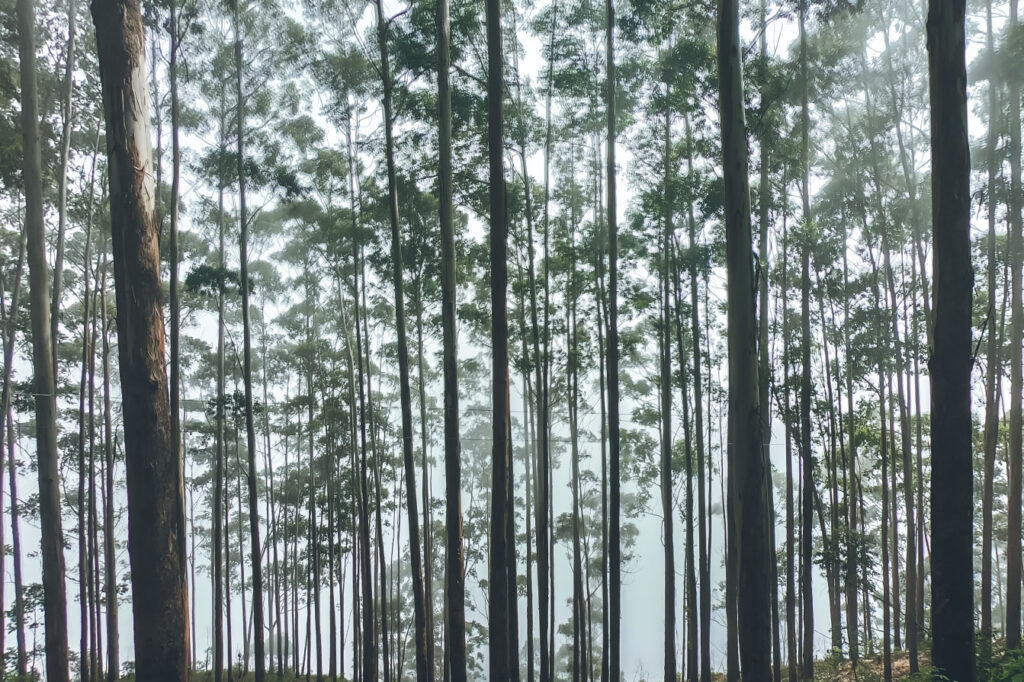
To better understand this concept, let’s imagine a forest. It’s not just a collection of trees; it’s a complex system that provides multiple benefits. For example, trees capture carbon dioxide (CO₂) and release oxygen, improving the quality of the air we breathe. This process is an ecosystem service known as climate regulation. Additionally, forests act as natural sponges, absorbing rainwater, filtering it, and releasing it slowly, which helps prevent floods and recharge underground aquifers, providing a water cycle regulation service.
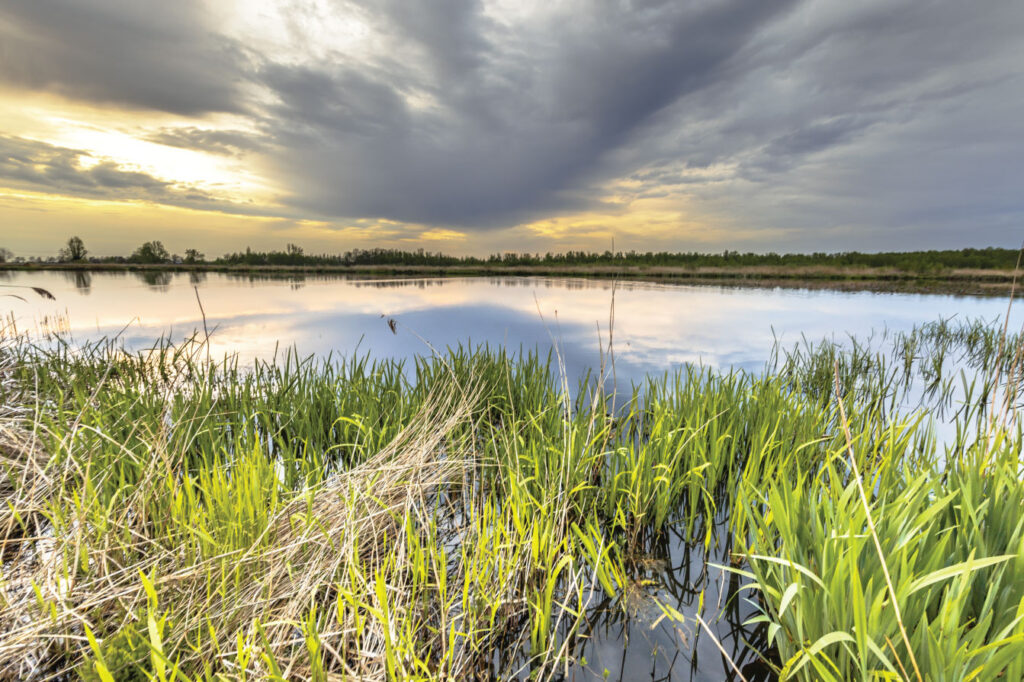
Another example is found in wetlands. These ecosystems are crucial for water filtration, removing pollutants and improving its quality before it reaches rivers and lakes. Wetlands are also vital habitats for many species of flora and fauna, contributing to biodiversity conservation.
How Can You Perceive Ecosystem Services in Your Daily Life?
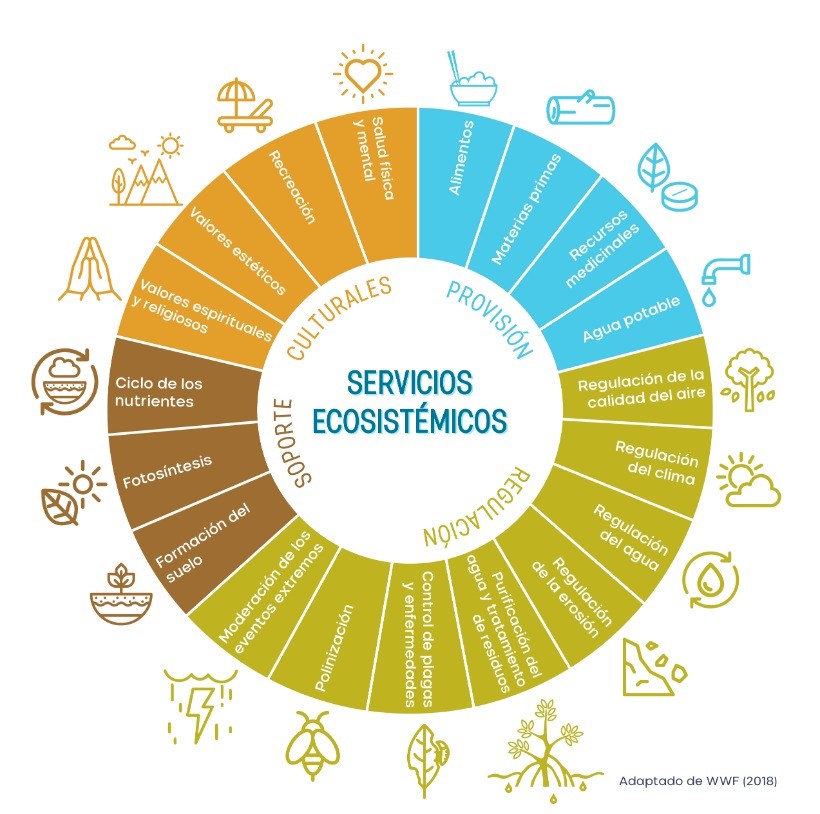
Ecosystem services are present in our daily lives in ways we often don’t recognize. To better understand how we interact with these services, let’s explore some examples through the four main pillars: provisioning, supporting, regulating, and cultural.
Provisioning Services
Imagine waking up in the morning and pouring yourself a glass of water. That drinking water has been naturally filtered by forests, channeled by rivers, and stored in lakes and aquifers. Additionally, we can enjoy all the raw materials produced in forests such as wood, resin, or essential oils, and forest-sourced foods like honey, mushrooms, or pine nuts thanks to the service provided by forests. Every time you use or eat something produced in a forest, you’re benefiting from an ecosystem service.
Supporting Services
These services are the invisible foundations of our societies and daily life. For example, the plants in your garden or nearby parks depend on the nutrient cycle. Microorganisms decompose organic matter in the soil and release essential nutrients for plant growth. Likewise, the soil that supports all this plant life is the result of the interaction of living organisms, climate, and parent material over many years. Without healthy soil, we couldn’t grow food or maintain the planet’s biodiversity, of which humans are a part.
Regulating Services
These services include processes that regulate climate, air, water, and diseases, helping to maintain a balanced and healthy environment. When you take a walk in the park and breathe fresh air, you’re experiencing the air purification performed by trees and plants, which capture pollutants and release oxygen.If you live near a river, it’s likely that nearby wetlands and forests are protecting your home from potential floods. These ecosystems act as natural sponges, absorbing excess water during heavy rains and releasing it slowly.Even if you eat fruits and vegetables, you’re benefiting from the ecosystem service provided by bees and other animals for plant pollination or pest control.
Cultural Services
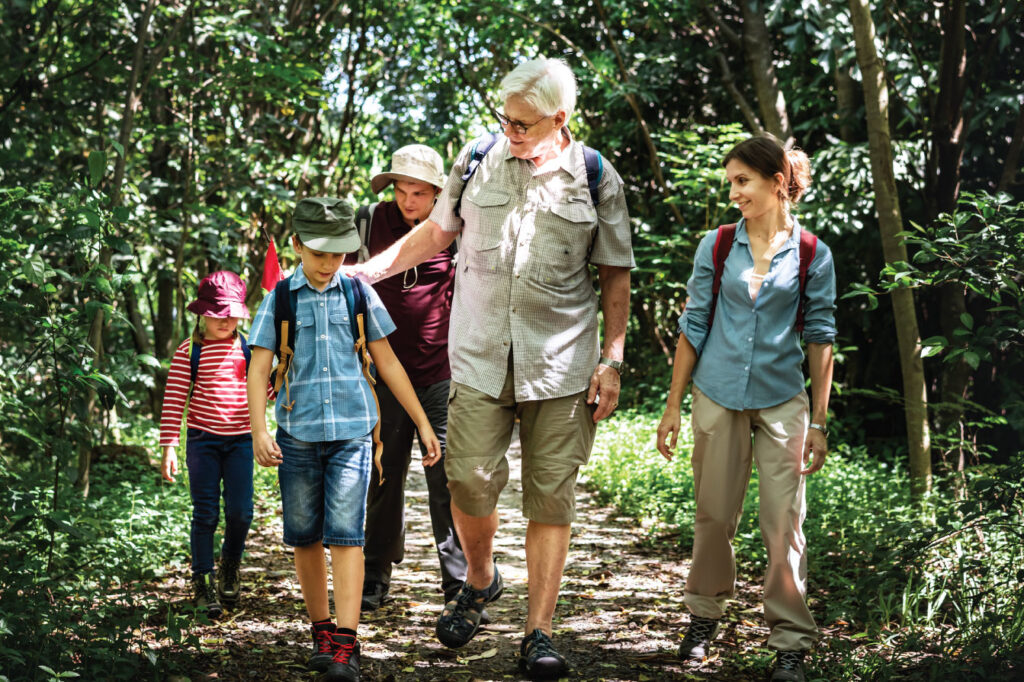
Think about the last time you enjoyed a walk in the park, went hiking in a nature reserve, or swam in a lake. These recreational activities depend on healthy ecosystems that offer natural spaces for leisure and exercise.
Ecosystems are also sources of inspiration and learning. Visiting a botanical garden, birdwatching, or simply enjoying the beauty of a natural landscape are experiences that connect us with nature and enrich our understanding and appreciation of the natural world.
Moreover, many natural places have profound spiritual and aesthetic value. Mountains, forests, and rivers often have important cultural and spiritual meanings for local communities, providing tranquility and beauty that contribute to mental and emotional well-being.
Benefits for All
Recognizing and understanding the importance of these services allows us to appreciate the interconnection between the health of our ecosystems and our own well-being. The situation of wetlands in Spain, where only 12% are well preserved while 54% are in poor or very poor conditions, underscores the urgency of adopting conservation and sustainable management measures. Protecting and restoring our ecosystems is not only an environmental responsibility but also an investment in our future health and prosperity.
Adopting sustainable practices and compensating the entities and forest owners who implement them promotes the conservation of our natural resources, ensuring that ecosystem services continue to benefit us. In doing so, we not only preserve the environment for future generations but also secure a future where nature and humanity can thrive in harmony. Understanding and respect for ecosystem services are, ultimately, a path towards more sustainable and balanced development.