
Sustainable Forest Management: Key to the Future of Our Forests
Forests, often called the lungs of our planet, are facing unprecedented pressure due to various human activities.
Deforestation and forest degradation, driven mainly by agricultural expansion, illegal logging, and urban development, have led to the loss of approximately 420 million hectares of forest between 1990 and 2020—an area equivalent to the size of the European Union.
This decrease in forest areas not only affects biodiversity and ecological balance, but also has direct repercussions on climate change, since forests act as carbon sinks, absorbing CO₂ and helping to mitigate global warming.
Sustainable forest management is defined as the management of forests in a way that maintains their biodiversity, productivity, regeneration capacity, and vitality, while also meeting present and future ecological, economic, and social needs.
This implies practices that allow the use of forest resources without compromising the health of the ecosystem or the availability of these resources for future generations.
In this article, we will delve into the crucial importance of implementing sustainable forest management strategies, exploring their environmental, economic, and social benefits, and providing examples of effective practices that can be adopted to ensure a balance between human development and the conservation of our valuable forests.
The True Value of Forests
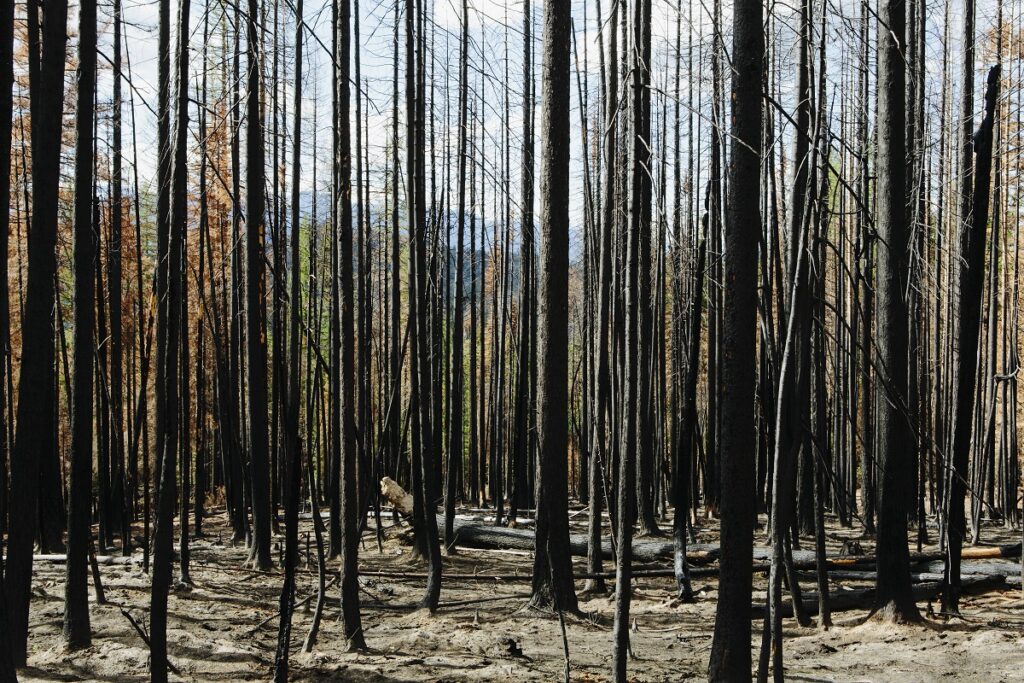
Forests are much more than a collection of trees; they are living systems that play essential roles on our planet. They act as green lungs, absorbing carbon dioxide (CO₂) and releasing oxygen, which helps regulate the quality of the air we breathe.
Moreover, they are home to impressive biodiversity, hosting approximately 80% of the world’s terrestrial species. From majestic mammals to tiny insects, countless creatures depend on these habitats for survival.
But their influence goes even further. Forests play a crucial role in the carbon cycle. Through photosynthesis, trees capture CO₂ from the atmosphere, storing it in their biomass and in the soil.
This process not only reduces the amount of greenhouse gases in the atmosphere, but also helps mitigate the effects of climate change. According to the United Nations Food and Agriculture Organization (FAO), deforestation and forest degradation contribute significantly to global CO₂ emissions, which underscores the importance of conserving and properly managing our forests.
Additionally, forests influence the water cycle, regulating water flow and maintaining soil moisture. This is vital for preventing floods and droughts, and for ensuring the supply of fresh water to numerous communities.
They also provide essential resources such as timber, medicines, and food, and offer recreational services that benefit our mental and physical health.
The health of our forests is intrinsically linked to climate stability. Healthy forests act as carbon sinks, absorbing more CO₂ than they emit.
However, when they are degraded or destroyed, they not only lose this capacity, but also release stored carbon, exacerbating global warming. Keeping our forests in good condition is therefore essential for combating climate change and ensuring a sustainable future for generations to come.
Let’s reflect on this: by protecting and sustainably managing our forests, we not only preserve biodiversity and natural resources, but also invest in the health and well-being of our planet and ourselves.
It is a reminder that our actions have a lasting impact, and that forest conservation is a shared responsibility that benefits all of humanity.
Sustainable Forest Management: What Does It Really Mean?
Sustainable forest management is like a well-balanced recipe: it seeks to harmonize the use of forest resources with environmental conservation, ensuring that our forests remain healthy and productive for future generations.
Imagine that forests are a natural bank account; if we only withdraw without thinking about tomorrow, we will soon run out of funds. But if we manage our forest “savings” wisely, we can enjoy their benefits indefinitely.
Key Principles: Balance Between Use and Conservation
Sustainable forest management is based on three fundamental pillars:
-
Environmentally responsible: Ensuring that activities in the forest do not harm its biodiversity or its ability to regenerate.
-
Socially beneficial: Guaranteeing that local communities benefit from forest resources and participate in their management.
-
Economically viable: Allowing the exploitation of forest resources to be profitable without compromising their sustainability.
These principles aim to maintain a balance where we can use the resources that forests offer us, such as timber and non-timber products, without compromising their health or their ability to provide essential ecosystem services.
Difference Between Irresponsible Exploitation and Sustainable Management

Irresponsible exploitation of forests is like a wild party without considering the consequences: indiscriminate logging, habitat destruction, and resource depletion.
This approach not only rapidly exhausts resources, but also causes negative environmental impacts, such as loss of biodiversity and soil degradation.
On the other hand, sustainable management is more like a conscious celebration: it involves carefully planning forest activities, respecting natural cycles, and ensuring that any intervention allows for ecosystem regeneration and conservation.
This includes practices such as reforestation, careful tree selection for logging, and protection of sensitive areas.
Importance of Certification and Regulation
To ensure that forests are managed sustainably, there are certification and regulation systems that act as stamps of approval. Organizations such as PEFC and FSC establish standards that forest operations must meet to be considered sustainable.
These certifications not only ensure that responsible practices are followed, but also give consumers confidence that the products they buy come from well-managed sources.
Tangible Benefits: Environmental, Economic, and Social
Sustainable forest management is not just a well-intentioned theory; its benefits can be seen and felt in multiple aspects of our lives and the planet. To better understand how it works, let’s look at a practical example of a well-managed forest.
Imagine an extensive forest in a mountainous region. There, a sustainable forest management company works together with local communities, scientists, and authorities to ensure that the ecosystem remains healthy while its resources are used responsibly.
Environmental: Soil Protection, Biodiversity, and Climate Change Mitigation
Before sustainable management began in our fictional forest, soil erosion was a serious problem. Indiscriminate logging had left areas vulnerable to landslides, affecting both flora and fauna.
Without trees to hold the soil and regulate water flow, heavy rains washed away essential nutrients, impoverishing the land.
With the implementation of good forest practices, the story changed. Instead of logging large areas all at once, selective logging was chosen, allowing the forest to regenerate naturally.
In addition, conservation areas were established to protect key species, and ecological corridors were implemented to ensure that animals could move freely without being trapped in fragmented areas.
The result: a more resilient ecosystem, capable of efficiently absorbing carbon and contributing to climate change mitigation. One of the main benefits of sustainable forest management is its positive environmental impact, as it reduces uncontrolled deforestation and protects the ecosystems that regulate the global climate.
Economic: Responsible Use Without Depleting Resources
Now let’s talk about the economy. In our forest, logging ceased to be a chaotic process and became a planned activity. Mature trees are selected for logging while others are left to grow, and logged areas are reforested.
This approach not only ensures that there is always wood available for the industry, but also allows the soils and ecosystem to remain healthy. Moreover, the forest does not only provide timber: the collection of fruits, resins, and medicinal plants is also encouraged, diversifying income sources.
Companies working in this area have obtained certifications such as FSC or PEFC, allowing them to sell their timber at better prices in international markets that prioritize sustainability.
The result: an economic sector that thrives without depleting resources and that generates local employment with long-term prospects. This is another benefit of sustainable forest management: it ensures that forests are sources of wealth without compromising their future existence.
Social: Benefits for Local Communities and Sustainable Development

The social impact of sustainable forest management is enormous. Before, the local community suffered the negative effects of deforestation: loss of water sources, disappearance of wildlife, and reduced availability of timber and other resources.
With sustainable management, local residents now have stable employment in activities related to the forest. Not only in the timber industry, but also in ecotourism, conservation, and production of goods such as honey or essential oils.
In addition, the profits generated by responsible exploitation are invested in community infrastructure, such as improved roads, schools, and access to health services. This strengthens local development and fosters a sense of belonging and protection for the forest.
The result: a more prosperous community, with sustainable job opportunities and an ecosystem in which they can live and work in the long term.
The Virtuous Circle of Sustainable Forest Management
This fictional forest represents what can be achieved when forest management is done right. Nature thrives, people find opportunities, and the economy grows without destroying the environment.
If we apply this model globally, the benefits of sustainable forest management are evident: a more balanced planet, with forests that continue to protect biodiversity, regulate the climate, and generate resources responsibly.
In other words, it is not just about saving trees, but about building a future where nature and humanity can thrive together.
The Consequences of Inaction
Inaction in forest management has profound and multifaceted repercussions that affect not only the environment, but also the economy and human well-being. Deforestation and forest degradation are key factors in biodiversity loss, the intensification of the climate crisis, and global economic instability.
Loss of Biodiversity
Deforestation is one of the main causes of biodiversity loss in Latin America. This process not only reduces the amount of natural habitat, but also fragments ecosystems, creating isolated areas that cannot sustain viable populations of many species. This fragmentation leads to local extinctions and the decline of essential ecosystem services.
Climate Crisis
Forests play a crucial role in climate regulation by absorbing carbon dioxide. Their destruction releases large amounts of CO₂ into the atmosphere, exacerbating climate change. According to the UN, more than 100 million hectares of productive land were degraded annually between 2015 and 2019, contributing significantly to global greenhouse gas emissions.
Effects on the Global Economy
The degradation of terrestrial ecosystems directly affects more than 1.3 billion people, especially in rural communities that depend on forests for their livelihoods.
The loss of biodiversity and soil degradation not only threaten food security and livelihoods, but also increase the risk of natural disasters, which can have devastating economic consequences on a global scale.
Reflection: Sustainable Forest Management as a Solution
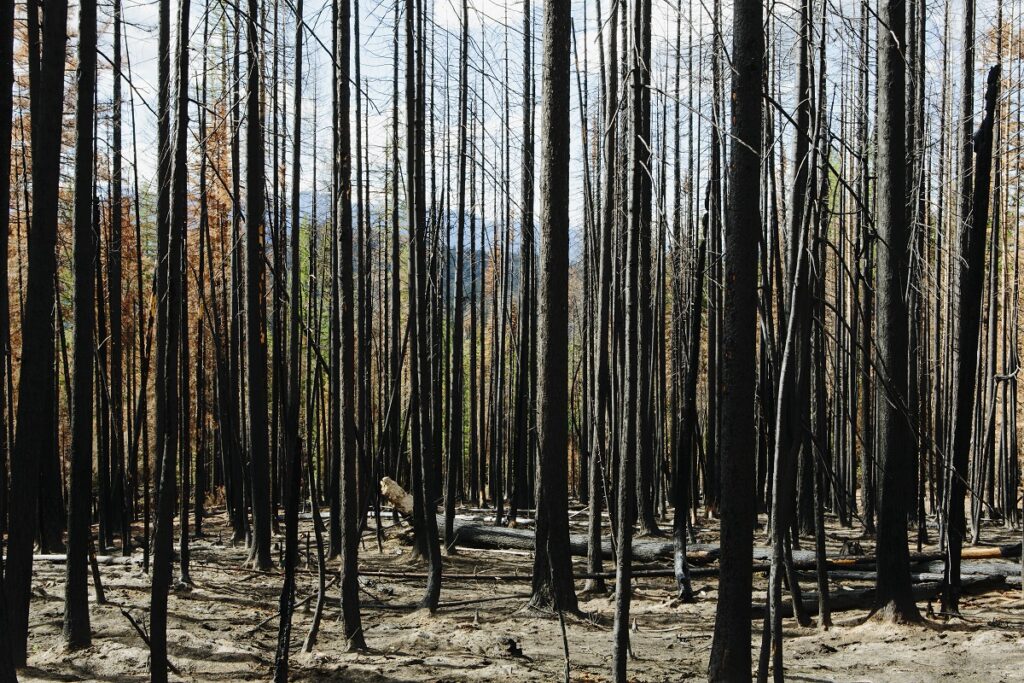
In the face of these alarming trends, sustainable forest management emerges as a comprehensive solution. By balancing the use of forest resources with ecosystem conservation, it is possible to mitigate negative environmental impacts, preserve biodiversity, and promote resilient local economies.
Implementing responsible forest practices is not just an option, but an urgent necessity to ensure a balanced and sustainable future for our planet and its inhabitants.
The Commitment We Need
The evidence is clear: we cannot afford to continue ignoring the importance of forests. Forest conservation and responsible management are essential for mitigating climate change, protecting biodiversity, and ensuring the well-being of the communities that depend on them.
But for this to happen, a real commitment is needed. Governments must strengthen protection policies and promote sustainable practices; companies must adopt standards that guarantee responsible use; and citizens must demand products of sustainable origin and support reforestation and restoration initiatives.
At Dendron, we understand that sustainable forest management is the key to achieving this balance. That is why we work on solutions that allow the use of forest resources without compromising their future. From planning conservation strategies to implementing sustainable use models, our goal is to demonstrate that development and sustainability can go hand in hand.
Every decision counts. Protecting forests is not just an environmental responsibility; it is an investment in a future where nature and people can thrive together.