What is Forest Management and What is Silviculture For?
Forests are essential for life on our planet. They provide clean air, water, food, and raw materials, as well as being home to countless species of flora and fauna. In Spain, forests cover approximately 55% of the territory, equivalent to more than 26 million hectares, according to the Ministry for Ecological Transition. This vast forested area is not only an ecological treasure but also a vital resource for our economy and social well-being.
However, our forests face significant challenges. Forest fires, pests, and loss of biodiversity are constant threats. Moreover, climate change is exacerbating these problems, making droughts more frequent and severe, which in turn increases the risk of fires and soil degradation.
Managing our forests sustainably is not just an option; it’s an urgent necessity. Sustainable forest management allows us to protect these vital ecosystems, ensure their regeneration, and maximize their economic, ecological, and social benefits.

What is Forest Management?
Forest management is the science and art of administering forests to maximize their ecological, economic, and social benefits. Essentially, it’s a process that combines planning, implementation, and monitoring of practices to ensure that forests are used sustainably and responsibly.
One of the main objectives of forest management is conservation. Forests are habitats rich in biodiversity, hosting a wide variety of animal and plant species. Protecting these ecosystems is crucial not only to maintain biodiversity but also because many species have medicinal and economic uses yet to be discovered.
A practical example of conservation is the Iberian lynx reintroduction project in the forests of Andalusia. This critically endangered species is being protected through the creation of biological corridors and habitat management to ensure its survival. This includes managing the understory to maintain suitable conditions for its prey and reduce the risk of forest fires.}
Soil and water protection is another priority. Forests help prevent soil erosion and regulate the water cycle. Tree roots keep the soil in place, and forests act as natural sponges that absorb rainwater, reducing the risk of flooding and improving water quality. An example of this is the management of watersheds in the Pyrenees, where reforestation and maintenance of riparian forests are carried out to protect water resources and prevent soil erosion.
Components of Forest Management
Forest management is a complex process that encompasses several key areas to ensure that forests remain healthy and productive.

Planning and Monitoring
This process begins with the creation of sustainable forest management instruments (SFMI) that establish the activities to be carried out in the forest, such as selective cutting, thinning, reforestation, or habitat conservation actions.
For example, in the Valsaín Forests in the Sierra de Guadarrama, a management plan has been implemented that includes reforestation with native species and logging control to ensure natural forest regeneration.
These plans are accompanied by constant monitoring to verify that the established objectives are met, such as improving soil quality and increasing biodiversity.
Resource Management
In Spain, practices such as selective cutting and reforestation are carried out to maintain ecological balance. In the Serranía de Cuenca Natural Park, selective cutting is used to extract timber sustainably, allowing young trees to grow and mature. Additionally, reforestation campaigns are conducted, planting native species to restore degraded areas and improve ecosystem diversity.
Biodiversity Conservation
In this regard, strategies are developed to protect native species and their habitats. Notable examples are conservation projects for species such as the lynx, bear, mink, or capercaillie. As mentioned earlier, these actions not only benefit the flagship species but also improve conditions for other species and the overall health of the ecosystem.
Fire Protection
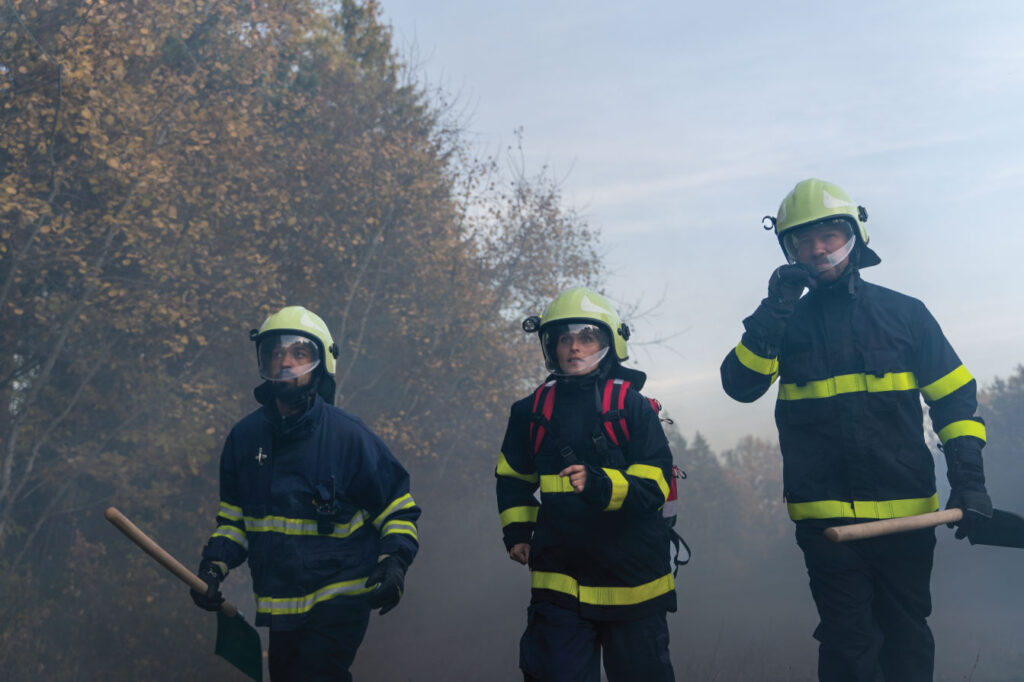
Fires are another critical aspect of forest management. In Spain, although they are part of the ecological dynamics of Mediterranean ecosystems, forest fires are a constant threat, especially during summer months. This is due to rural abandonment, where the lack of human action causes forest masses to lose an ecological balance consolidated over centuries. To combat this, preventive and reactive measures are implemented. In the Valencian Community, the “Prevention and restoration of forest areas affected by fires” project focuses on creating firebreaks, cleaning understory, and restoring burned areas. Additionally, advanced technologies are used for early fire detection, allowing for a quick and effective response.
Silviculture: A Fundamental Pillar of Forest Management
Silviculture is an essential discipline within forest management. It is defined as the science and art of cultivating forests, focusing on the establishment, growth, composition, health, and quality of forest stands. Its main objective is to manage forests so that they can provide a wide range of both ecological and economic benefits sustainably.
What are its objectives?
Maximizing ecological and economic benefits is a central objective of silviculture. Economically speaking, efficiently managed forests can produce timber, resins, fruits, and other forest products sustainably, creating employment and contributing to local economies.
Benefits of Efficient Forest Management